
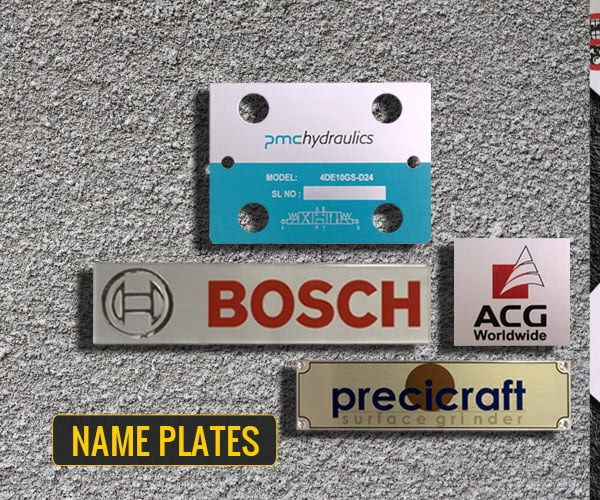
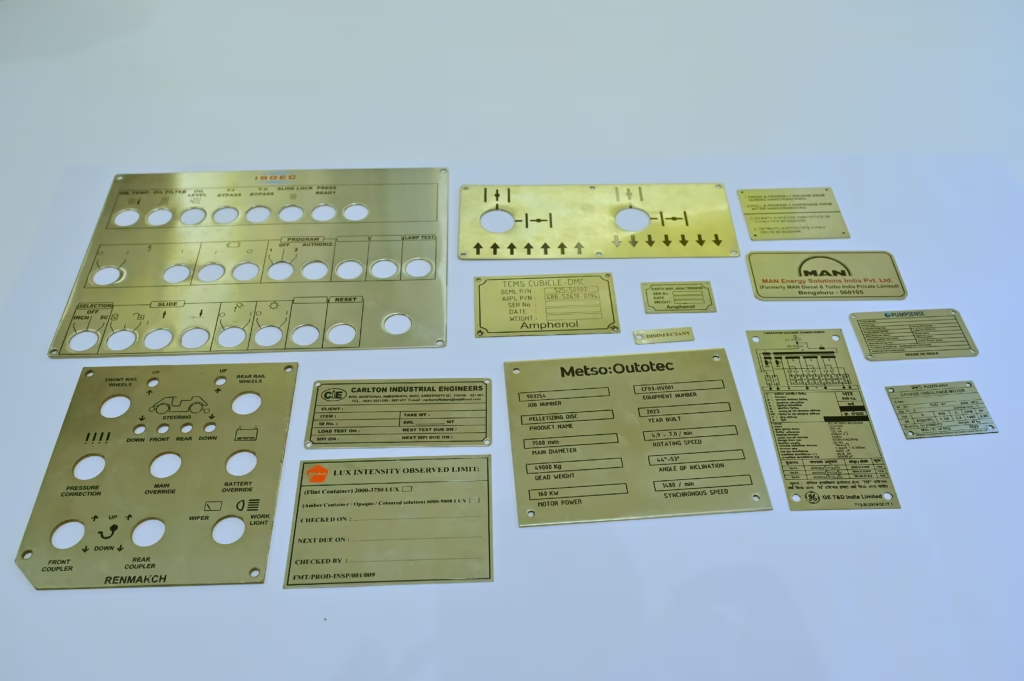
Aluminum and stainless steel nameplates differ in several aspects, including material properties, appearance, durability, and applications.
Here’s a breakdown of the key differences:
1. Name plates Material Composition
- Aluminum Nameplates: Made from lightweight aluminum, typically alloyed for added strength and corrosion resistance.
- Stainless Steel Nameplates: Made from various grades of stainless steel, which contains iron, chromium, and sometimes nickel, offering exceptional corrosion resistance.
2. Name plates Weight
- Aluminum: Lightweight, making it suitable for applications where weight is a concern.
- Stainless Steel: Heavier and more robust, ideal for heavy-duty or industrial uses.
3. Name plates Durability
- Aluminum: Resistant to corrosion and weathering but can be prone to scratches and dents due to its softer nature.
- Stainless Steel: Extremely durable, resistant to corrosion, scratches, and high temperatures, making it suitable for harsh environments.
4. Name plates Appearance
- Aluminum: Has a silvery, matte finish that can be anodized or coated for different colors and textures.
- Stainless Steel: Features a polished or brushed metallic finish, offering a sleek, modern, and professional look.
5.Name plates Corrosion Resistance
- Aluminum: Naturally resistant to corrosion due to its protective oxide layer, but not as resistant to strong chemicals or saline environments as stainless steel.
- Stainless Steel: Superior corrosion resistance, especially in high-moisture, chemical, or saltwater environments.
6.Nameplates Customization
- Aluminum: Easier to fabricate, engrave, and anodize for colored finishes or intricate designs.
- Stainless Steel: Can also be engraved, laser-etched, or embossed but is harder to work with due to its toughness.
7. Cost
- Aluminum: Generally more affordable, especially for large-scale production.
- Stainless Steel: More expensive due to its material cost and processing requirements.
8. Applications
- Aluminum: Commonly used for indoor signage, lightweight machinery, office settings, and decorative purposes.
- Stainless Steel: Preferred for industrial, marine, or outdoor applications where durability and corrosion resistance are critical.
Summary
- Choose Aluminum if you need lightweight, affordable, and customizable nameplates for less demanding environments.
- Choose Stainless Steel if you require high durability, superior corrosion resistance, and a premium look for harsh or industrial environments.
Scratch Test
- Aluminum: Softer and more prone to scratches. You can lightly scratch it with a key or nail.
- Stainless Steel: Much harder and more resistant to scratches.
Oxidation and Corrosion
- Aluminum: Forms a white, chalky layer of aluminum oxide when exposed to air for extended periods. Not prone to rust.
- Stainless Steel: Doesn’t rust under normal conditions. If exposed to harsh environments, it may develop minor discoloration but no white oxide layer.
Sound Test
- Aluminum: Produces a duller sound when tapped.
- Stainless Steel: Produces a sharper, more ringing sound.
Heat Test
- Aluminum: Heats up quickly and dissipates heat rapidly.
- Stainless Steel: Slower to heat up and retains heat longer.
Chemical Test (Optional)
- Use a small amount of sodium hydroxide (NaOH) (commonly found in drain cleaners):
- Aluminum: Reacts with NaOH to produce bubbles and a white residue.
- Stainless Steel: No significant reaction.
Cost Perception
- If the nameplate feels lightweight and has a more basic finish, it is likely aluminum.
- If it feels premium, heavy, and has a professional, polished look, it is likely stainless steel.
Using a combination of these tests will help you accurately identify the material of the nameplate.